Introduction
Paid media pulls in a little over 30% of verified closed-won revenue for most B2B teams, but plenty of companies still bleed cash because their PPC strategy is pointed in the wrong direction.
Let’s break down how to build a high-performing B2B SaaS advertising strategy, stage by stage. We’ll walk through the full customer journey and go deep into LinkedIn Ads, Google Ads, and Meta ads best practices, plus a real case study showing how this all comes together.
The B2B Ads Journey: How Buyers Move From Click to Customer
1. Brand Perception
Brand perception starts with how your audience experiences your message before they ever talk to sales. Run campaigns that inform and add value, not just promote your product. Share white papers, blogs, social posts, and infographics through paid channels to shape how your audience perceives your brand.
2. Why should they buy from you?
Now your audience knows you exist. Use webinars, case studies, and founder-led videos to show real expertise and results. Paid distribution here is all about proof.
3. Purchase
This is where ads turn into a pipeline. Launch precise lead-gen or demo campaigns. Offer trials, free consultations, or product walkthroughs. Your CTAs should make the next step frictionless.
4. Post-Purchase
Keep advertising even after the sale. Retarget users, promote customer success stories, and use remarketing to drive upsells or referrals. Great ads don’t stop when someone converts; they start building advocacy.
Now that we’ve mapped the B2B ads journey from brand perception to post-purchase advocacy, it’s time to put strategy into execution. Each platform has its own strengths: LinkedIn connects you directly with decision-makers, Google Ads captures high-intent searches, and Meta excels at storytelling and remarketing.
Let’s break down best practices for each so you can align creative, targeting, and measurement with the stage of your buyer journey.
LinkedIn Ads Best Practices
LinkedIn is the control room for B2B advertising. It’s where you can target decision-makers directly, but it’s also where wasted spend happens fast.
1. Audience forecasting
Start with at least 50k people. The further you narrow the audience, the higher the CPC, so only shrink it when you’re confident it’ll bring in stronger intent and better results.
2. Campaign Structure
Segment by location, industry, or company size. This setup helps you analyze performance more accurately and identify which segments deliver the best results. For example, campaigns targeting companies in the UK might perform differently from those in the US due to variations in audience behavior, ad costs, and market maturity. Structuring campaigns this way makes optimization easier, ensures the budget goes where it performs best, and helps you scale with clarity.
3. Targeting Settings
Turn off audience expansion, use permanent location targeting, and switch to manual bidding for control.
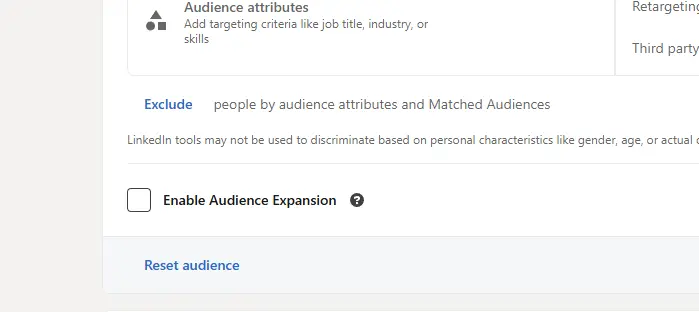
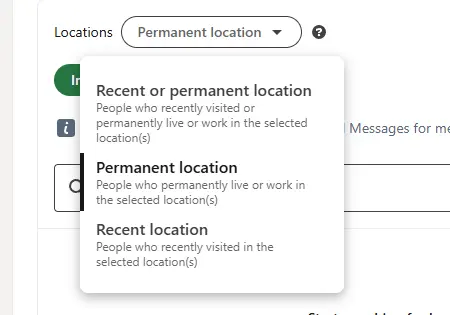
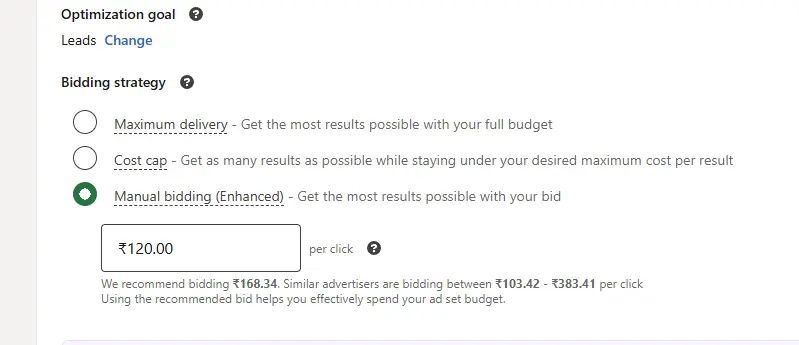
Use layered targeting with AND/OR logic to get smarter with your audience.
AND logic narrows your reach so you only show ads to people who meet multiple conditions. For example, targeting Job Title: Marketing Director AND Company Industry: Technology, Information and Media ensures your ad only reaches marketing directors working in Technology, Information and Media companies.
OR logic does the opposite; it broadens your reach. For example, targeting Job Title: Marketing Director OR Skills: Demand Generation includes anyone who matches either condition.
4. Managing Audience Overlap
Check for audience overlap to make sure your campaigns aren’t competing for the same people. When two or more campaigns target similar segments, impressions get split, costs rise, and performance drops.
You should check for overlap when:
- You’re running multiple campaigns aimed at similar personas or job titles.
- You’ve duplicated campaigns for A/B testing but kept the same targeting.
- You notice CPC or CPM increasing without a clear reason.
Google Ads Best Practices
Google Ads is where intent meets opportunity. When someone searches for a solution, your ad should show up with clarity, credibility, and strong relevance.
1. Bidding Strategies Recommended
- Max Clicks: Great for driving top-of-funnel traffic.
- Max Conversions: Focuses the budget on users more likely to act.
- Target CPA: Balances spend and lead quality through automation.
2. Exact Match Keywords First
Start narrow to control spending and test message fit. Once you’ve added negatives and understand search intent, expand to phrase match.
3. Boost Your Quality Score
High scores mean cheaper clicks and better positions. Improve by aligning keywords, ad copy, and landing pages.
4. Conversion Tracking Setup
Never skip it. Without tracking, you’re optimizing in the dark.
5. Audience Optimization
Layer demographics, remarketing lists, and in-market audiences to increase precision.
6. Auction Insights
Regularly review which competitors you’re up against and where you’re winning or losing share.
7. Conversion & Offline Data Feeding
Feed conversions (online + offline CRM data) back into campaigns. It helps Google’s algorithm find the right buyers faster.
Meta Ads Best Practices
Meta (Facebook and Instagram) might not feel like B2B territory, but it’s a goldmine for awareness, remarketing, and storytelling, especially for startups and mid-market players.
1. Target CPA Bidding
Use automated bidding optimized for conversions at your target cost per acquisition. It’s the most efficient model for ROI.
2. Lean on Video
Video ads outperform static creatives for engagement and retention. Use them to tell stories or simplify complex solutions.
3. Conversion Tracking Setup
Set up Meta Pixel and Conversions API properly to measure performance across devices and channels.
4. Lookalike Audiences
Clone your best customers to find high-probability prospects. Perfect for scaling.
5. Retargeting Campaigns
Use Custom Audiences to re-engage people who visited your site or interacted with your content. These warm audiences usually deliver the best cost-per-lead.
Case Study: Global Scale Through Paid Ads
Challenge
A B2B tech company wanted to expand globally and generate qualified demo leads without skyrocketing acquisition costs.
Strategy
Demantri launched multi-platform PPC campaigns across Google, LinkedIn, Meta, Reddit, and X.
Each platform got its own tailored messaging and native lead forms. Landing pages were optimized for clarity and speed. Leads were automatically synced to HubSpot for nurturing and attribution tracking. It’s the kind of execution only an experienced B2B PPC agency can deliver, and that’s exactly what we did.
Results
- 2,000 qualified demo leads in 3 months
- Lower cost per lead through ongoing optimization
- Clear insights into which ad platforms delivered the strongest ROI
Key Takeaway
Multi-platform PPC + CRM integration = scale, quality, and visibility into real ROI.
Summary
A strong B2B ads system isn’t about bigger budgets. It’s about smart structure, accurate targeting, and constant learning. Map your customer journey, choose the right ad platforms, track everything, and optimize fast. Partnering with an experienced B2B PPC agency helps align strategy, execution, and performance toward one goal, turning paid media into a predictable pipeline.
That’s how you move from running ads to driving a predictable pipeline.